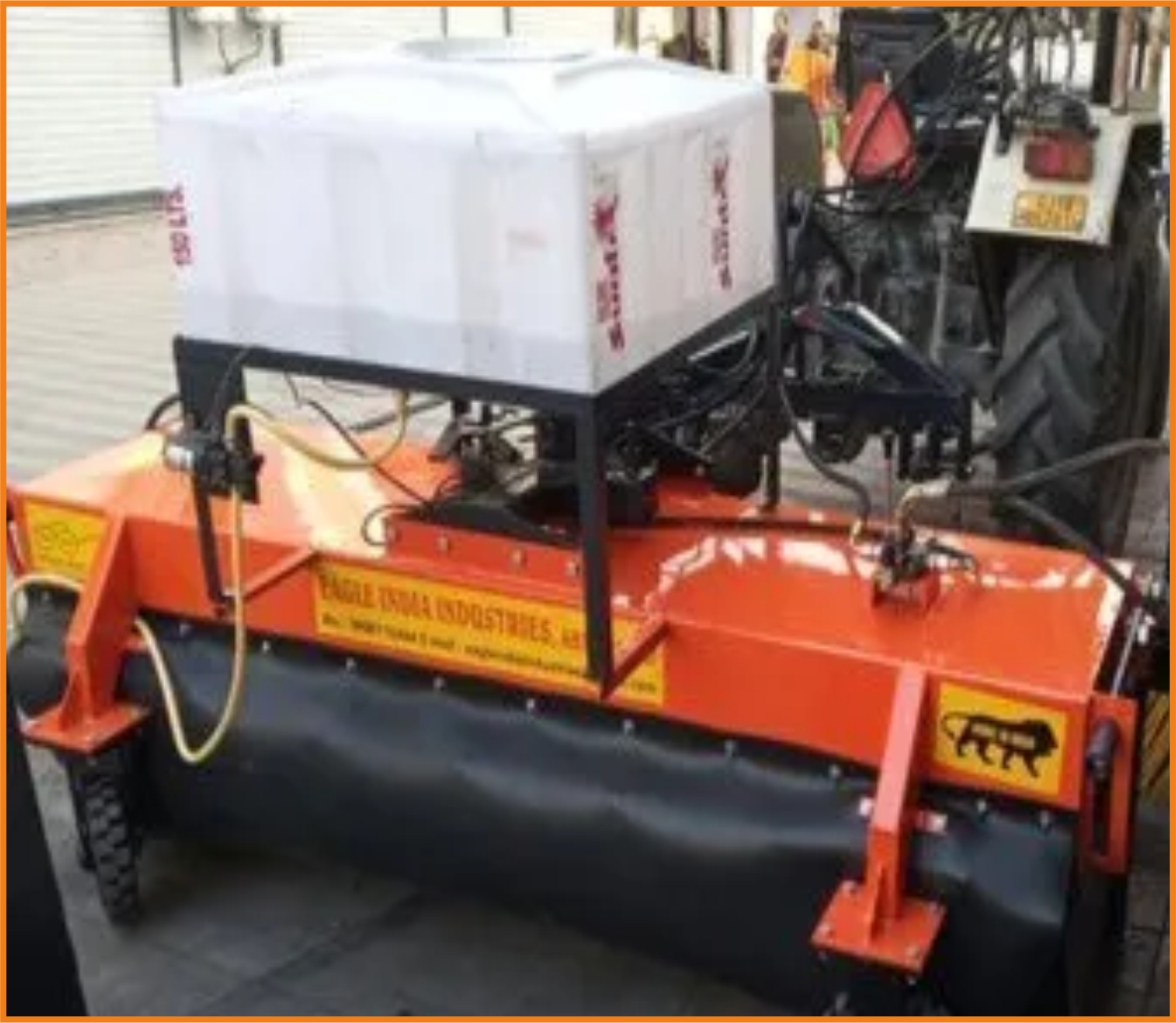
Truck Road Sweeper Maintenance Guide
Maintaining the efficiency and longevity of a truck road sweeper is paramount for effective municipal cleaning, construction site management, and general infrastructure upkeep. These complex machines require diligent care to prevent costly downtime and ensure optimal performance. This guide provides a comprehensive overview of essential truck road sweeper maintenance practices, covering daily checks, regular servicing, and critical component care.
Why Truck Road Sweeper Maintenance Matters
A well-maintained truck road sweeper is a powerful tool for maintaining clean and safe public and private spaces. However, neglecting regular maintenance can lead to a cascade of problems, including reduced cleaning efficiency, premature wear of components, and significant repair costs. Proactive truck road sweeper maintenance not only extends the operational life of the machine but also ensures it performs its essential function reliably, contributing to better environmental conditions and public satisfaction.
Understanding the critical systems within your sweeper – from hydraulics and water systems to brushes and debris hoppers – is the first step towards effective upkeep. This guide will walk you through the key areas that demand regular attention, helping you establish a robust maintenance schedule.
Daily Road Sweeper Maintenance Checklist
Daily inspections are the foundation of any successful road sweeper maintenance program. These quick checks can identify potential issues before they escalate into major problems.
- Visual Inspection: Walk around the sweeper and check for any obvious signs of damage, leaks (oil, coolant, water), loose parts, or unusual wear on tires and brushes.
- Fluid Levels: Check engine oil, coolant, and hydraulic fluid levels. Ensure they are within the recommended operating range. Low fluid levels can indicate leaks or consumption that needs addressing.
- Brush Condition: Visually inspect the main and side brushes for excessive wear, damage, or improper seating. Ensure they are free from debris that could impede rotation.
- Hopper and Screen: Check the debris hopper for any blockages. Ensure the hopper screen is clear of accumulated dirt and debris to maintain proper airflow.
- Water System: Verify the water tank has sufficient water for dust suppression. Check for any visible leaks in the water lines or spray nozzles.
- Operator Controls: Briefly test key operational controls (e.g., brush lift/lower, vacuum fan, water spray) to ensure they are responding correctly.
Weekly Sweeper Truck Care and Inspections
Beyond daily checks, weekly maintenance tasks delve deeper into the operational components of the truck road sweeper, ensuring systems are functioning optimally.
- Belt and Hose Inspection: Check all belts for tension, wear, and damage. Inspect hydraulic hoses and connections for leaks, cracks, or signs of abrasion.
- Tire Pressure and Condition: Ensure tires are properly inflated and check for wear patterns or damage.
- Lubrication Points: Lubricate all designated grease points according to the manufacturer's recommendations. This is critical for moving parts like brush shafts and pivot points.
- Hydraulic System Check: Inspect the hydraulic system more thoroughly for leaks. Check the condition of the hydraulic fluid and consider if a fluid change is due based on operating hours.
- Fan and Blower System: Inspect the fan housing and ducting for any debris buildup or damage that could affect airflow.
- Cleanliness: Thoroughly clean the entire machine, paying attention to areas where dirt and debris can accumulate, potentially causing corrosion or hindering performance. This includes the hopper and surrounding areas.
Critical Component Maintenance for Road Sweepers
Certain components of a truck road sweeper are vital to its core function and require specific attention to maintain peak performance.
Hydraulic System Maintenance
The hydraulic system powers many of the sweeper's functions, including brush operation and hopper dumping. Regular maintenance involves:
- Fluid Checks: Consistently monitor the hydraulic fluid level and condition. Contaminated or degraded fluid can damage pumps and cylinders.
- Filter Replacement: Change hydraulic filters at recommended intervals to remove contaminants.
- Leak Detection: Promptly address any leaks in hoses, fittings, or cylinders to prevent fluid loss and potential system failure.
Brush Maintenance
Brushes are the primary cleaning tools. Proper brush maintenance ensures effective debris collection:
- Wear Inspection: Regularly check brush bristles for wear. Replace brushes when they reach a certain wear limit to maintain sweeping efficacy.
- Alignment and Tension: Ensure brushes are correctly aligned and tensioned as per the manufacturer's specifications. Improper setup can lead to uneven wear and reduced cleaning performance.
- Cleaning: Remove tangled debris from brushes after use to prevent damage and maintain their sweeping pattern.
Debris Hopper and Screen
The debris hopper collects collected material, and the screen ensures proper airflow. Key maintenance includes:
- Regular Cleaning: Thoroughly clean the hopper after each use to prevent material buildup, rust, and odors.
- Screen Maintenance: Keep the hopper screen clean and free from obstructions. A clogged screen restricts airflow, reducing suction power.
Water and Dust Control Systems
These systems are crucial for suppressing dust, making sweeping more effective and environmentally compliant:
- Nozzle Check: Ensure spray nozzles are clear and functioning correctly.
- Water Tank: Keep the water tank filled and clean. Check for pump operation and leaks.
- Airflow: A clean air filter for the vacuum system is essential for maintaining optimal suction and preventing dust discharge.
Scheduled Maintenance for Optimal Performance
Scheduled maintenance, often based on operating hours, provides a more in-depth service to catch issues that may not be apparent during daily or weekly checks. Adhering to these service intervals is vital for maximizing the lifespan and reliability of your truck road sweeper.
| Interval | Key Tasks |
|---|---|
| Every 50 Operating Hours | Engine oil and filter change, lubrication, check belts and hoses, inspect brushes and hydraulic fluid. |
| Every 250 Operating Hours | All 50-hour tasks plus hydraulic fluid and filter change, thorough inspection of all moving parts, check sweep system components, inspect water system. |
| Every 1000 Operating Hours | All 250-hour tasks plus deeper inspection of engine, transmission, hydraulic pumps, and cylinders. Check and adjust valve clearances if applicable. Inspect chassis and frame for wear or damage. |
Note: Always refer to the manufacturer's specific maintenance schedule for your road sweeper model for precise recommendations.
Recognizing Signs Requiring Professional Servicing
Even with diligent maintenance, recognizing when a professional touch is needed can prevent minor issues from becoming major breakdowns. Be attentive to the following signs:
? Buyer Insight:
Decreased suction power often points to issues with the vacuum fan, filter systems, or potential leaks in the ducting. Unusual noises can signal bearing failures, worn parts, or imbalances in rotating components like brushes or the fan. Improper brush operation might indicate issues with the hydraulic drive system, belt slippage, or worn brush segments. Overheating can be a symptom of low coolant, a malfunctioning cooling fan, or hydraulic system overload.
When these symptoms appear, it's time to consult a qualified technician or service provider to diagnose and rectify the problem promptly. Early intervention can save significant costs and operational disruption.
Selecting and Maintaining Your Truck Road Sweeper
Choosing the right truck road sweeper and ensuring its ongoing maintenance is a strategic decision for any organization responsible for public works or large-scale cleaning operations. When considering a purchase, understanding the operational demands and maintenance requirements is key.
Key Considerations Before Buying
- Application Needs: What types of debris will you be clearing? What are the typical operating environments (urban streets, highways, construction sites)?
- Operational Intensity: How many hours per day or week will the sweeper be in use? This impacts maintenance frequency and durability requirements.
- Maintenance Support: Does the manufacturer or supplier offer readily available technical support and spare parts? Understanding the truck road sweeper maintenance needs beforehand is crucial.
- Operator Training: Ensure operators are adequately trained on the specific model and best practices for operation and basic maintenance.
Quality Checks and Service
When evaluating potential suppliers, inquire about their commitment to quality in manufacturing and after-sales support. A reputable manufacturer will provide documentation on maintenance schedules and troubleshooting. For existing owners, establishing a relationship with a reliable service provider for comprehensive truck road sweeper maintenance is invaluable.
Questions to Ask:
- What is the recommended maintenance schedule for this model?
- What are the typical wear items, and how often do they need replacement?
- What kind of support and spare parts availability can I expect?
- Are there specific operational procedures to prolong component life?
Reliable Road Sweeper Solutions
Eagle India Industries, also known as Eagle Roadsweeper, specializes in manufacturing and supplying a range of road sweeping machines designed to meet diverse cleaning needs. Understanding the critical importance of consistent performance, the company offers solutions including tractor-mounted sweepers, truck-mounted sweepers, ride-on sweepers, and mini road cleaning machines.
They provide customization facilities to ensure that the road sweepers can be tailored to specific operational requirements. With a focus on delivering effective cleaning equipment, Eagle India Industries aims to support clients in maintaining clean and efficient environments. For organizations seeking robust road sweeping technology and reliable truck road sweeper maintenance support, Eagle India Industries offers a selection of durable and adaptable machines.
Frequently Asked Questions About Road Sweeper Maintenance
How often should I check the hydraulic fluid in my truck road sweeper?
It's recommended to check hydraulic fluid levels daily, along with visually inspecting for any leaks. The fluid condition should also be monitored regularly, and changes should be performed according to the manufacturer's recommended operating hour intervals or if the fluid appears contaminated or degraded.
What are the most common causes of decreased suction power?
Decreased suction power in a road sweeper can be caused by a clogged hopper screen, a dirty air filter, leaks in the vacuum hoses or ducting, or a malfunctioning vacuum fan. Regular cleaning of the screen and filters is essential, as is checking for any damage to the vacuum system components.
Are there any special considerations for sweeping in wet conditions?
Many industrial sweepers are designed primarily for dry sweeping. Operating them in very wet conditions can potentially damage components or reduce their effectiveness. Always consult your sweeper's manual; some systems may have specific water management features or limitations for wet operation.
When should I consider replacing the brushes on my road sweeper?
Brushes should be replaced when the bristles have worn down to a point where they no longer effectively sweep debris, or when they show signs of significant damage or uneven wear. The specific wear limit is usually detailed in the sweeper's operation manual.
Ensure Peak Performance with Expert Road Sweeper Solutions
Effective truck road sweeper maintenance is not just a task; it's an investment in reliability, efficiency, and the longevity of your equipment. By implementing a consistent and thorough maintenance schedule, you can significantly reduce operational costs and ensure your cleaning operations run smoothly.
Ready to enhance your fleet's capabilities or discuss your specific road sweeping needs?
Request a Consultation