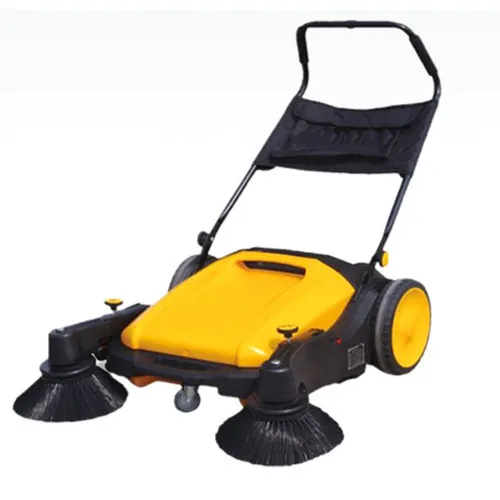
Road Sweeper Machine Maintenance Guide
Road sweeper machines are vital for maintaining clean and safe urban and rural environments. From large municipal projects to construction site cleanup, these powerful machines ensure our roads are free of debris. However, like any complex piece of equipment, their efficient and long-lasting operation hinges on diligent maintenance. Neglecting upkeep can lead to costly breakdowns, reduced performance, and a shortened service life. This guide provides a comprehensive roadmap to effective road sweeper machine maintenance, ensuring your investment continues to deliver value.
The Importance of Preventative Maintenance
Preventative maintenance is the cornerstone of reliable road sweeper machine operation. It involves a systematic approach to inspecting, servicing, and repairing equipment *before* problems arise. This proactive strategy is far more cost-effective than reactive repairs, which often occur at the most inconvenient times, leading to project delays and increased operational costs.
Regular, scheduled maintenance offers several key advantages:
- Enhanced Reliability: Minimizes unexpected breakdowns, ensuring the machine is ready when needed.
- Extended Lifespan: Proper care reduces wear and tear on critical components, significantly extending the overall service life of the sweeper.
- Optimized Performance: A well-maintained machine operates at peak efficiency, delivering superior cleaning results.
- Reduced Repair Costs: Identifying and addressing minor issues early prevents them from escalating into major, expensive repairs.
- Improved Safety: Ensures all safety features are functional and the machine operates within safe parameters.
Understanding Your Maintenance Schedule
Effective maintenance relies on adhering to a structured schedule. While manufacturer recommendations are paramount, a general framework often involves different service intervals based on operating hours. Common intervals include:
- Daily Checks: Quick visual inspections and basic functional tests performed before or after each shift.
- 50-Hour Service: More detailed checks and lubrication points.
- 250-Hour Service: Includes tasks like filter changes and fluid level checks.
- 1000-Hour Major Service: Comprehensive inspection, replacement of wear parts, and deeper system checks.
Always consult your specific road sweeper machine's operation and maintenance manual for precise schedules and recommended procedures. Factors like operating environment (dusty, wet, extreme temperatures) can influence how frequently certain tasks need to be performed.
Essential Maintenance Tasks for Road Sweeper Machines
Keeping a road sweeper machine in top condition involves a variety of routine tasks. These can be broadly categorized:
Maintaining the Hydraulic System
The hydraulic system powers many of the sweeper's functions, from broom operation to debris hopper lift. Its proper maintenance is critical:
- Fluid Quality: Always use hydraulic fluid of the correct viscosity and type as specified by the manufacturer. Contaminated or degraded fluid can cause significant damage.
- Filter Replacement: Change hydraulic filters at recommended intervals. This is one of the most effective ways to prevent wear in hydraulic components.
- Leak Detection: Regularly inspect hoses, fittings, and seals for any signs of leaks. Even small leaks can lead to fluid loss and system inefficiency. Address leaks promptly.
- System Checks: Ensure the hydraulic system is functioning smoothly, with no signs of cavitation, overheating, or erratic operation.
Optimizing Vacuum Power
A strong vacuum is essential for efficient debris collection. Key components to maintain include:
- Hopper Screen: The screen within the debris hopper must be kept clean. A clogged screen restricts airflow to the fan, significantly reducing suction power.
- Air Seals: Ensure air seals on the fan inlet, suction hose connections, and hopper doors are intact and in good condition. Worn or damaged seals allow air to leak in, diminishing the vacuum. Lubricate these seals as recommended to ensure they remain pliable and effective.
- Fan Maintenance: Inspect the fan for debris buildup or damage. Ensure it operates smoothly without excessive vibration.
Selecting and Maintaining Your Road Sweeper Machine
Choosing the right road sweeper machine is the first step towards efficient operations. Consider your specific needs, including the types of debris you'll encounter, the surfaces you'll be cleaning, and the scale of your operations.
Key Features to Consider:
- Sweeping Mechanism: Mechanical brooms, vacuum systems, or a combination.
- Power Source: Engine-driven, hydraulic, or PTO (Power Take-Off) from the truck.
- Mounting Type: Truck-mounted, tractor-mounted, or self-propelled units.
- Hopper Capacity: Size of the debris holding tank.
- Water Tank Capacity: For dust suppression in vacuum sweepers.
Quality Checks Before Purchase:
- Inspect the build quality, particularly the frame, hopper, and brush/broom mechanisms.
- Verify the specifications match your requirements.
- Inquire about the availability of spare parts and after-sales service.
Questions to Ask Before Buying:
- What is the recommended maintenance schedule?
- What are the typical wear parts, and how often do they need replacement?
- What type of training is provided for operation and basic maintenance?
- What is the warranty period and what does it cover?
Buyer Insight: Don't underestimate the importance of ease of maintenance. Machines designed with accessible components for routine checks and service will save you significant time and labor costs over their operational life. Prioritize suppliers who offer readily available spare parts and responsive technical support.
Reliable Road Sweeper Machines from Eagle India Industries
Eagle India Industries, established in 2019 in Gujarat, India, is dedicated to manufacturing and supplying a robust range of road cleaning equipment designed for durability, ease of operation, and low maintenance. They understand that reliable performance is critical for municipal and industrial cleaning operations.
Their product lineup includes various road sweeper machines tailored to different needs, such as:
- Tractor Mounted Road Sweeper Machines
- Truck Mounted Road Sweepers
- Hydraulic Broomer Machines
- Mini Road Cleaning Machines
- Mechanical Broom Sweepers
- Road Cleaning Brushes
- Ride On Sweepers
Eagle India Industries focuses on quality manufacturing to ensure their machines provide efficient cleaning solutions across India. They also offer customization options to meet specific client requirements, ensuring you receive a machine that precisely fits your operational demands. Their commitment is to provide dependable equipment that supports the critical task of keeping our roads clean.
Frequently Asked Questions
How often should I check the engine oil on my road sweeper machine?
It is generally recommended to check the engine oil level daily before operation, or at least every 50 operating hours, depending on your machine's manual. Ensure the oil is topped up to the correct level using the manufacturer-specified oil.
What is the most common cause of reduced vacuum power in a sweeper?
The most common cause is a clogged debris hopper screen or fan intake, which restricts airflow. Worn or damaged air seals around the hopper, suction hose, or fan also significantly reduce vacuum efficiency.
How do I know when to replace the sweeper brushes?
Sweeper brushes need replacement when they show significant bristle wear, are damaged, or no longer effectively pick up debris. Inspect them regularly for wear patterns and consult your machine's manual for specific wear indicators and replacement guidelines.
Are specialized tools required for road sweeper machine maintenance?
Basic maintenance often requires standard mechanic's tools. However, specific tasks, especially those involving hydraulic systems or complex adjustments, might require specialized diagnostic tools or equipment. Always refer to the manufacturer's service manual for specific requirements.
Can I use any type of hydraulic fluid in my machine?
No, it is crucial to use only the hydraulic fluid type and viscosity recommended by the machine's manufacturer. Using the wrong fluid can lead to overheating, seal damage, and premature failure of hydraulic components.
Conclusion
Consistent and thorough maintenance is not just a recommendation but a necessity for the optimal performance and longevity of any road sweeper machine. By adhering to a well-defined schedule, performing regular checks, and addressing potential issues proactively, you can significantly reduce operational downtime, minimize repair costs, and ensure your equipment continues to contribute effectively to cleaner, safer roads. Investing time and resources into proper road sweeper machine maintenance is an investment in the efficiency, reliability, and sustained value of your fleet.
Ready for a Reliable Road Sweeper Machine?
Explore the range of durable and efficient road sweeper machines from Eagle India Industries. We offer solutions designed for low maintenance and optimal performance. Contact us today to discuss your specific requirements and find the perfect machine for your needs.
Request a Solution