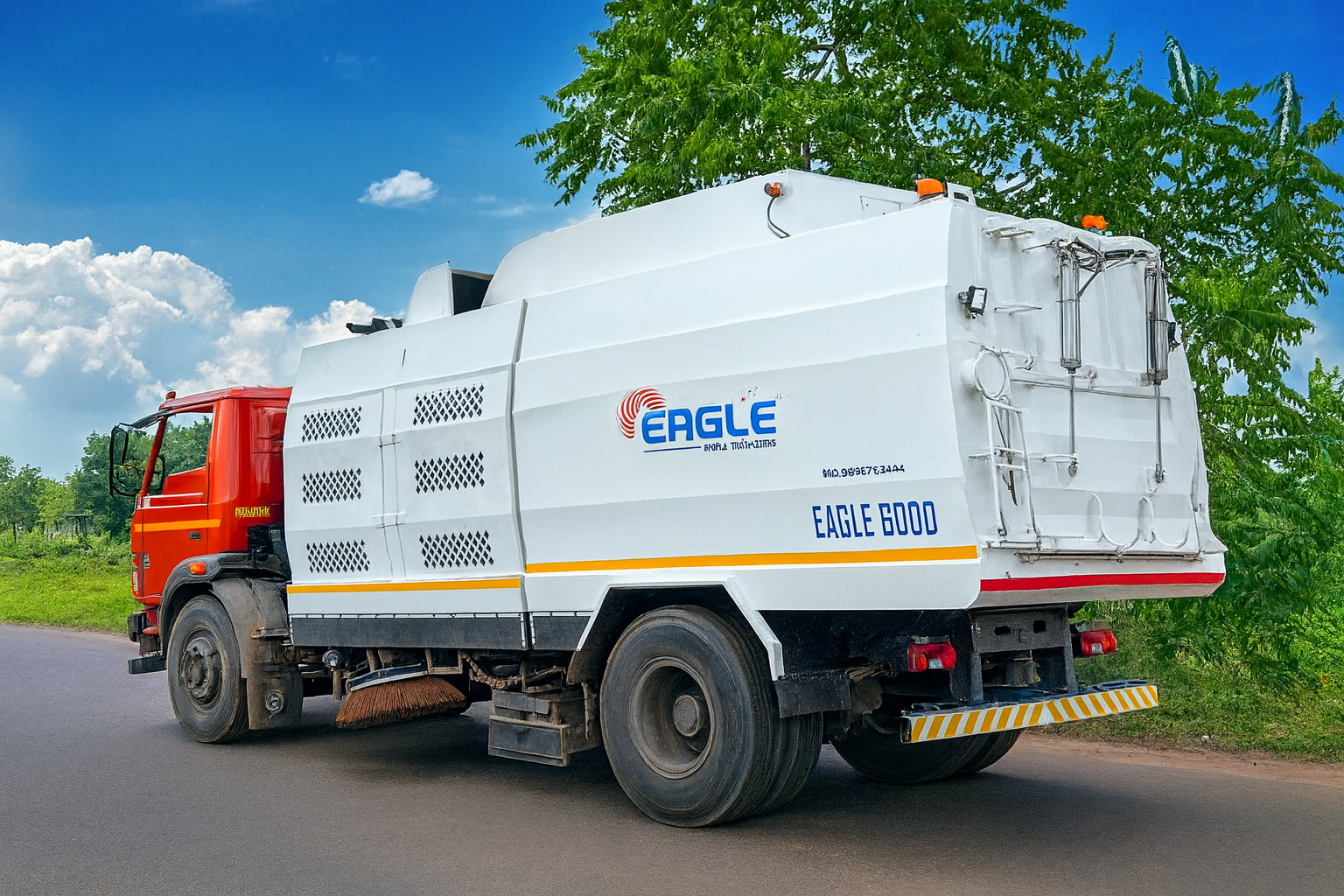
Truck Road Sweeper Working Process
Truck road sweepers are indispensable machines in modern infrastructure maintenance, playing a critical role in ensuring the cleanliness, safety, and aesthetic appeal of our roadways. From bustling city streets and highways to construction sites and industrial complexes, these powerful vehicles employ sophisticated mechanisms to tackle dust, debris, and waste. Understanding the intricate working process of a truck road sweeper is key to appreciating their efficiency and the technology behind them.
This guide delves into the core operational principles of truck road sweepers, exploring how they effectively clean roads through a combination of mechanical action, vacuum power, and dust suppression. We will examine the different types of sweepers, their components, applications, and the benefits they bring to urban and industrial environments. Whether you are involved in municipal planning, construction management, or simply interested in the technology that keeps our world clean, this comprehensive overview will illuminate the remarkable capabilities of truck road sweepers.
What is a Truck Road Sweeper?
A truck road sweeper is a specialized vehicle built on a truck chassis, equipped with an integrated system designed for sweeping and cleaning road surfaces. These machines are engineered to efficiently collect a wide range of debris, from fine dust and sand to larger materials like gravel, leaves, and construction waste. They are a vital tool for public works departments, construction companies, and industrial facilities aiming to maintain clean and safe environments.
The primary function of a truck road sweeper is to remove contaminants from road surfaces. This is achieved through a coordinated system of brushes, vacuum, and often, a dust suppression mechanism. The effectiveness of these machines lies in their ability to cover large areas quickly and efficiently, making them a cost-effective solution for large-scale cleaning operations.
The Core Working Process of a Truck Road Sweeper
The operation of a truck road sweeper is a multi-stage process, carefully orchestrated to maximize debris collection and minimize dust dispersion. While specific technologies may vary between mechanical, vacuum, and regenerative air sweepers, the fundamental principles remain similar.
1. Debris Agitation: The Role of Brushes
The initial step involves loosening and moving debris from the road surface towards the collection system. This is primarily achieved through rotating brushes.
- Side Brushes: Typically, one or more rotating side brushes are positioned at the front corners of the sweeper. These brushes sweep debris from the edges of the road, gutters, and sidewalks inwards, directing it towards the path of the main sweeping mechanism. They are crucial for reaching areas that the main brush might miss and for clearing debris accumulated along curbs.
- Main Brush: Located beneath the truck chassis, the main brush is the workhorse of the sweeping operation. As the sweeper moves forward, the main brush rotates, lifting and throwing debris from the road surface upwards and backwards towards the vacuum intake or conveyor system. The type and stiffness of the bristles are designed to handle different types of debris, from fine dust to heavier materials.
2. Dust Suppression: Keeping the Air Clean
A significant challenge in road sweeping is managing the dust generated during the process. To combat this, most truck road sweepers incorporate a dust suppression system, usually involving water sprinklers.
- Water Sprinklers: Strategically placed sprinklers spray a fine mist of water over the road surface ahead of the brushes and on the brushes themselves. This moisture helps to weigh down fine dust particles, preventing them from becoming airborne and reducing the amount of dust released into the atmosphere. This not only improves air quality but also enhances the efficiency of the vacuum system by causing dust to clump together.
3. Debris Collection: Vacuum and Conveying
Once the debris is loosened and directed, the collection system takes over.
- Vacuum System: In vacuum sweepers and regenerative air sweepers, a powerful fan creates suction. This vacuum draws the loosened debris, including dust and larger particles, from the road surface and guides it through a duct into the collection hopper. Regenerative air systems use a closed-loop air system, where air is continuously circulated, with debris being picked up by air and then separated.
- Conveyor System: Mechanical sweepers often use a conveyor belt system. After the main brush lifts the debris, it is conveyed up and over into the collection hopper. This system is particularly effective for handling heavier and bulkier debris found on construction sites.
4. Debris Storage: The Hopper
All collected debris – dust, sand, leaves, stones, and other waste – is deposited into a large onboard container called a hopper. Once the hopper is full, the truck road sweeper will typically travel to a designated disposal site to empty its contents.
Types of Truck Road Sweepers and Their Processes
While the general principles are shared, different types of truck road sweepers employ variations in their core technology:
Mechanical Sweepers
These rely heavily on rotating brushes to dislodge and sweep debris, often using a conveyor system to transfer materials into the hopper. They are robust and effective for heavy debris like gravel and construction waste.
Vacuum Sweepers
These primarily use powerful suction to lift debris directly from the road surface into the hopper. They excel at collecting fine dust and smaller particles and often use brushes mainly to agitate the surface.
Regenerative Air Sweepers
A hybrid approach, these use a high-pressure air system to dislodge debris, which is then vacuumed into the hopper. They offer efficient dust control and can be more water-efficient than traditional dust suppression methods.
Applications and Use Cases
The versatility of truck road sweepers makes them essential across a wide spectrum of applications:
Municipal and Urban Cleaning
Maintaining the cleanliness of city streets, avenues, and public spaces is a primary role. This includes removing litter, dust, leaves, and other urban detritus to enhance the aesthetic appeal and public health of the city.
Highway and Road Maintenance
Sweeping highways and major roads is crucial for safety, removing debris that could cause accidents or damage to vehicles. This also includes cleaning up after roadwork or accidents.
Construction Site Cleanup
Construction sites generate significant amounts of dust, dirt, gravel, and debris. Truck road sweepers are used to clean access roads and surrounding areas, preventing the spread of dust and materials into nearby communities.
Industrial Facilities and Airports
Large industrial complexes, factories, and airport tarmacs require regular cleaning to maintain operational safety and environmental standards. Sweepers remove dust, spills, and general waste effectively.
Infrastructure Projects
During and after the construction of roads, bridges, and other infrastructure, sweepers are employed to clear work areas and ensure the site is left clean and safe.
Key Benefits of Using Truck Road Sweepers
Implementing truck road sweepers offers numerous advantages:
Improved Road Safety
By removing hazardous debris, potholes-filling materials, and other obstructions, sweepers significantly reduce the risk of accidents.
Environmental Protection
Effective dust suppression and debris collection help improve air quality by reducing airborne particulate matter. Cleaning storm drains prevents pollutants from entering waterways.
Enhanced Aesthetics
Clean roads and public spaces contribute to a more pleasant and visually appealing urban environment, boosting civic pride and attracting visitors.
Cost-Effectiveness
Automated sweeping is significantly more efficient and cost-effective than manual cleaning for large areas, saving labor and time.
Reduced Maintenance Costs
Regular road cleaning can prevent the buildup of corrosive materials and debris, potentially reducing long-term wear and tear on road surfaces and drainage systems.
Buyer's Guide: Selecting the Right Truck Road Sweeper
Selecting the appropriate truck road sweeper is crucial for operational efficiency and effectiveness. Consider the following factors:
Buyer Insight: Match the Sweeper to the Application
Different sweeping tasks require different technologies. For fine dust and general urban cleaning, a vacuum or regenerative air sweeper might be ideal. For heavy-duty cleanup on construction sites with gravel and large debris, a robust mechanical sweeper is often preferred.
Key Selection Criteria:
- Type of Debris: What will you primarily be sweeping? Fine dust, leaves, gravel, construction waste?
- Operating Environment: Will the sweeper be used on smooth city roads, rough construction sites, or a mix?
- Dust Control Needs: How critical is dust suppression in your operating area?
- Chassis Requirements: Consider the base truck chassis for maneuverability and suitability for your existing fleet or operational needs.
- Ease of Operation and Maintenance: Look for user-friendly controls and designs that facilitate routine maintenance to minimize downtime.
Questions to Ask Before Purchasing:
When evaluating truck road sweeper options, asking the right questions can ensure you make an informed decision:
What is the primary method of debris collection (vacuum, mechanical, regenerative air)?
Understanding the core collection mechanism helps determine its suitability for your specific debris types and operating conditions.
How effectively does the dust suppression system operate, and what is its water consumption?
Efficient dust control is vital for environmental compliance and operator comfort. Water usage impacts operational costs and refill frequency.
What is the expected sweeping performance and maneuverability in different environments?
Consider the sweeper's ability to navigate tight urban streets versus open highways or uneven construction terrain.
What are the typical maintenance requirements and accessibility of key components?
Regular maintenance is key to longevity. Easy access to brushes, vacuums, and filters can significantly reduce service time and costs.
Can the sweeper handle the range of debris encountered in my specific applications?
Ensure the machine's design and components are suited for the materials you expect to collect.
Eagle Roadsweeper: Efficient Sweeping Solutions
Eagle India Industries, operating as Eagle Roadsweeper, is dedicated to providing durable and efficient road cleaning equipment. They offer robust truck-mounted road sweepers designed to meet the rigorous demands of municipal, construction, and industrial cleaning tasks.
Their truck-mounted sweepers are engineered with a focus on effective debris collection and dust control, utilizing well-integrated brush systems and vacuum capabilities. These machines are built to deliver reliable performance, ensuring that roads and work sites are kept clean and safe. Eagle Roadsweeper aims to provide solutions that are not only effective but also easy to operate and maintain, supporting the operational continuity of their clients.
By focusing on quality manufacturing and practical design, Eagle Roadsweeper provides machinery that addresses the core challenges of road surface maintenance, contributing to cleaner environments and safer infrastructure.
Frequently Asked Questions (FAQ)
How do side brushes work on a truck road sweeper?
Side brushes are positioned at the front of the sweeper and rotate to sweep debris from the edges of the road, gutters, and curbs inward, directing it towards the main sweeping mechanism for collection.
Why is dust suppression important in road sweeping?
Dust suppression, often using water sprinklers, is crucial to prevent fine dust particles from becoming airborne. This improves air quality, reduces environmental impact, and helps the vacuum system collect dust more effectively.
What is the difference between mechanical and vacuum sweepers?
Mechanical sweepers primarily use brushes and conveyors to move debris into the hopper, excelling with heavy materials. Vacuum sweepers use strong suction to lift debris, ideal for fine dust and general cleanup.
Can a truck road sweeper clean construction sites effectively?
Yes, truck road sweepers, particularly robust mechanical or heavy-duty vacuum models, are highly effective at cleaning construction sites, managing dust, gravel, and other waste materials generated during building activities.
What role does the hopper play in the sweeping process?
The hopper is the onboard storage container where all collected debris is deposited. Once full, the sweeper must travel to a disposal site to empty the hopper.
Conclusion
The truck road sweeper working process is a sophisticated integration of mechanical action, air dynamics, and water management, all designed to achieve one goal: a cleaner, safer environment. From the initial sweep of rotating brushes to the powerful suction of vacuum systems and the crucial role of dust suppression, each component works in harmony to effectively remove debris from our roads.
Understanding these processes highlights the importance of these machines in maintaining public infrastructure, supporting construction projects, and enhancing the quality of urban life. For organizations seeking reliable and efficient sweeping solutions, choosing the right truck road sweeper tailored to specific needs is a critical investment in operational success and environmental responsibility.
Ready to Enhance Your Road Cleaning Operations?
Explore the efficient and durable truck-mounted road sweepers from Eagle Roadsweeper. Discover how our solutions can help you maintain clean, safe, and compliant roadways. Contact us today to learn more about our range and find the perfect machine for your needs.
Request a Consultation