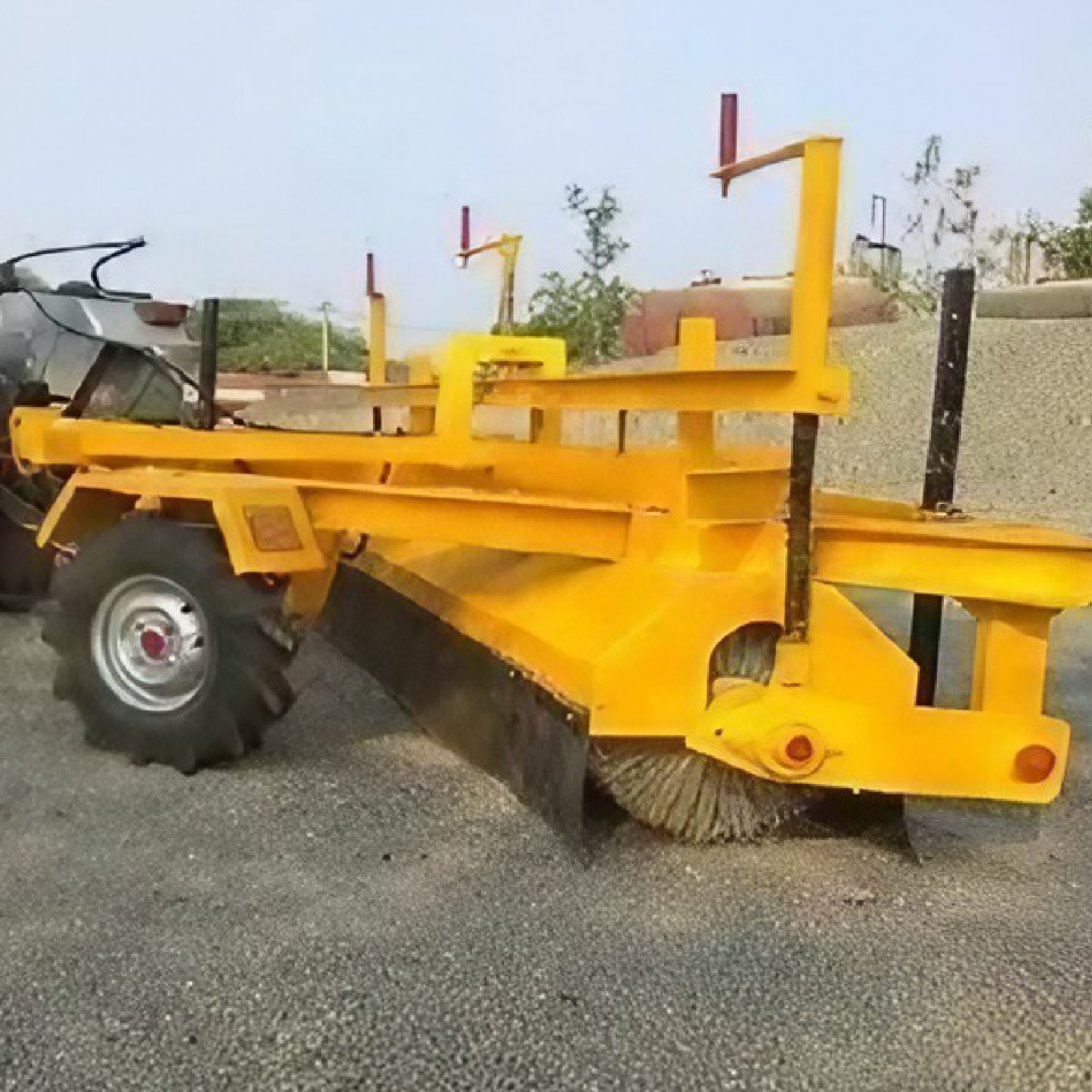
How Hydraulic Broomer Removes Road Dust
Road dust is a persistent challenge, impacting air quality, infrastructure longevity, and public safety. Effective removal requires specialized equipment capable of handling varied debris and conditions. Among the most efficient solutions available today is the hydraulic broom, a versatile machine designed to tackle dust and debris with power and precision. This article delves into the operational mechanics of a hydraulic broom, exploring precisely how it removes road dust and the benefits it offers across various applications.
Understanding the Hydraulic Broomer
A hydraulic broom, often referred to as a mechanical broom or sweeper, is a robust piece of machinery primarily designed for sweeping and clearing surfaces of dust, dirt, gravel, leaves, and other loose debris. Its defining characteristic is its reliance on the hydraulic system of a host vehicle, typically a tractor or a specialized truck, for operation. This integration eliminates the need for a separate engine for the broom itself, making it an efficient and often more cost-effective solution.
These machines are indispensable tools for municipal corporations, construction companies, airport authorities, and industrial facilities. They play a crucial role in maintaining clean and safe environments, from public roads and highways to industrial complexes and parking lots. The core function of a hydraulic broom is to dislodge and collect unwanted material, ensuring that surfaces are free from hazardous dust and debris.
The Working Principle: How It Removes Road Dust
The process by which a hydraulic broom removes road dust is a combination of mechanical action and hydraulic power. At its heart lies a large, rotating brush. Here’s a breakdown of the operational mechanism:
- Hydraulic Power Integration: The broom is connected to the prime mover's hydraulic system. When engaged, the vehicle's hydraulic pump generates pressurized fluid that is directed to the hydraulic motor powering the broom's rotation. This system allows for variable speed control of the brush, enabling operators to adjust sweeping intensity based on the material being cleared and the surface conditions.
- Brush Rotation and Dislodging: As the vehicle moves forward, the hydraulic motor drives the brush to spin, typically in a direction that throws debris towards the collection path or into a hopper if equipped. The bristles of the brush, often made from durable materials like polypropylene, nylon, or even steel, are designed to effectively agitate and lift dust and debris from the surface. The density and stiffness of the bristles are engineered to dislodge even compacted dirt and fine particulate matter.
- Material Collection: The dislodged dust and debris are then channeled. In many configurations, the broom sweeps material into a windrow for later collection by another machine, such as a vacuum sweeper or loader. Alternatively, some hydraulic broom systems are integrated with a dustpan or a collection hopper, where the debris is directly captured.
- Dust Suppression: A significant aspect of effective dust removal, especially in dry or construction environments, is dust suppression. Many hydraulic broom systems incorporate a water spray bar mounted in front of the brush. This system can be connected to the vehicle's water tank. As the broom operates, water is sprayed onto the surface ahead of the brush, dampening the dust and preventing it from becoming airborne. This not only improves visibility and air quality but also makes the dust more manageable for collection.
The combination of powerful rotation, durable bristles, and optional dust suppression allows the hydraulic broom to efficiently tackle a wide spectrum of contaminants, from the finest dust particles to larger debris like leaves and small stones.
Diverse Applications of Hydraulic Broomers
The versatility of hydraulic broomers makes them suitable for a broad range of applications:
Road Construction & Maintenance
Essential for clearing newly laid asphalt, removing debris from road surfaces during repairs, and maintaining highways free from loose material.
Municipal Cleaning
Used by city councils for sweeping public roads, sidewalks, bike paths, and clearing gutters to maintain urban cleanliness.
Industrial Site Sweeping
Ideal for cleaning factory yards, warehouses, loading docks, and large outdoor industrial areas where dust and debris accumulate.
Parking Lot Maintenance
Keeps parking lots clear of leaves, dirt, and litter, improving aesthetics and safety for vehicles and pedestrians.
Airport & Hangar Cleaning
Maintains apron areas, taxiways, and hangar floors, crucial for operational safety and preventing foreign object debris (FOD).
Construction Site Clean-up
Removes dust, soil, and rubble from active construction sites, improving working conditions and complying with environmental regulations.
Key Benefits of Using Hydraulic Broomers
Implementing a hydraulic broom offers significant advantages for businesses and municipalities:
- Enhanced Efficiency: Cleans large areas quickly and effectively, reducing manual labor requirements and operational time.
- Improved Air Quality: Dust suppression systems significantly reduce airborne particulate matter, creating healthier environments for workers and the public.
- Increased Safety: Removing debris and dust prevents accidents caused by slippery surfaces or reduced visibility.
- Surface Protection: Regular cleaning prevents the buildup of abrasive materials that can damage road surfaces and infrastructure over time.
- Versatility: Adaptable to various surfaces and types of debris, making it a single solution for multiple cleaning needs.
- Cost-Effectiveness: Leverages existing vehicle hydraulics, reducing the need for separate power units and complex machinery.
Selecting the Right Hydraulic Broomer Solution
When choosing a hydraulic broom, several factors should guide your decision to ensure it meets your specific operational needs:
Factors to Consider:
- Vehicle Compatibility: Ensure the broom is compatible with your existing tractor or vehicle, paying attention to hydraulic flow and pressure requirements, and mounting points. The prime mover should typically have at least 35 HP and sufficient hydraulic output.
- Sweeping Width: Consider the size of the areas you need to clean. Sweeping widths typically range from 1.5 to 2.5 meters, so select a width that optimizes your coverage per pass.
- Brush Type: The choice of bristles (polypropylene, nylon, steel) depends on the type of debris and surface. Finer dust may require softer bristles, while heavier debris might necessitate stiffer or steel-reinforced options.
- Dust Suppression System: If dust control is a priority, opt for a model with an integrated water spray system. Ensure it has adequate water tank capacity or can be easily connected to an external source.
- Durability and Build Quality: Look for robust construction designed to withstand demanding conditions. Consider the expected brush life (typically 6-12 months with normal use) and the availability of replacement parts.
- Ease of Operation and Maintenance: The system should be intuitive to operate and maintain. Check for easy brush replacement and access to hydraulic components.
Buyer Insight: Don't underestimate the importance of brush material and configuration. The right brush can drastically improve cleaning efficiency and prolong the life of both the brush and the surface being cleaned.
Questions to Ask Before Buying:
- What are the specific hydraulic requirements (GPM/PSI) for this broom?
- What is the standard sweeping width, and are wider/narrower options available?
- What type of bristles are included, and what are the options for different debris types?
- How is the dust suppression system activated and controlled?
- What is the estimated lifespan of the brushes under typical operating conditions?
- What are the maintenance requirements and recommended service intervals?
- Does the manufacturer offer customization to fit specific vehicle models or unique site challenges?
Eagle India Industries: Your Partner in Road Sweeping Solutions
Eagle India Private Limited, established in 2019, is dedicated to manufacturing and supplying effective road sweeping solutions, including advanced Hydraulic Broomer Machines. Understanding the critical need for efficient dust and debris removal, Eagle Roadsweeper offers robust, tractor-mounted systems designed to integrate seamlessly with your existing equipment.
Their hydraulic broomers are engineered for versatility, capable of cleaning roads, highways, parking lots, and construction sites. Eagle India Industries prides itself on offering customization facilities, ensuring that each machine can be tailored to meet specific customer demands and operational environments. With a commitment to quality and customer satisfaction, they aim to provide reliable machinery that contributes to cleaner, safer, and more productive environments across India.
Frequently Asked Questions
How does a hydraulic broom differ from a vacuum sweeper?
A hydraulic broom primarily uses rotating brushes to dislodge and move debris, often creating a windrow for collection or sweeping into a hopper. A vacuum sweeper uses suction to lift dust and debris directly into a collection system.
Can a hydraulic broom be used on uneven surfaces?
Yes, hydraulic broomers are designed to follow the contour of most surfaces, including slightly uneven terrain, thanks to their floating capabilities.
What maintenance is required for a hydraulic broom?
Regular maintenance includes checking hydraulic fluid levels, inspecting hoses and fittings for leaks, lubricating moving parts, and monitoring brush wear. Brush replacement is a common maintenance task as they wear down over time.
Do I need a special type of tractor to operate a hydraulic broom?
Generally, any tractor with a standard hydraulic output (typically 35 HP and above) and a suitable hydraulic connection can operate a hydraulic broom. However, always check the specific requirements of the broom model.
How often do the brushes need replacing?
Brush life varies significantly based on usage intensity, the type of material being swept, and the surface condition. Under normal operations, brushes typically last between 6 to 12 months.
Ready for Cleaner Roads?
Discover how Eagle Roadsweeper's robust Hydraulic Broomer Machines can transform your dust and debris removal operations. Benefit from efficient cleaning, improved safety, and tailored solutions designed to meet your unique challenges. Contact us today to learn more about our customization options and find the perfect sweeping solution for your needs.
Request a Custom Solution