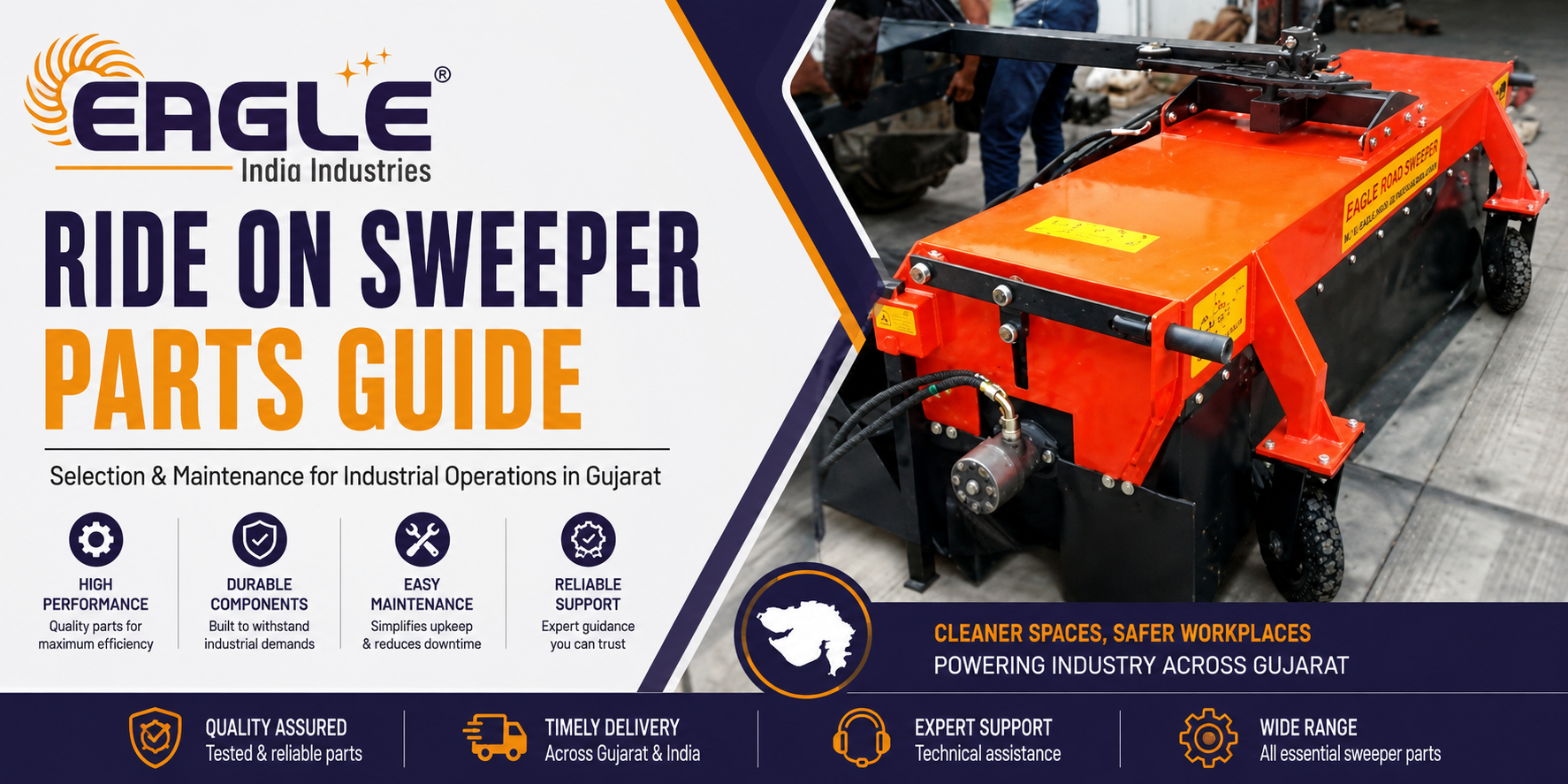
Ride On Sweeper Parts Guide
Understand essential ride on sweeper parts for optimal performance and longevity. This guide helps businesses in Gujarat select and maintain components effectiv
Why This Matters in Gujarat
Gujarat stands as a significant industrial hub in India, home to diverse sectors including manufacturing, petrochemicals, textiles, pharmaceuticals, and a rapidly expanding logistics and warehousing industry. In such dynamic environments, maintaining pristine facility floors is not merely an aesthetic concern; it directly impacts safety, product quality, and regulatory compliance. Dust, debris, and industrial waste can pose hazards, damage sensitive equipment, and reduce productivity. Reliable ride-on sweepers, supported by a robust supply of quality parts, are indispensable for businesses across Ahmedabad, Surat, Vadodara, and other industrial centers in Gujarat to uphold operational standards and protect their investments.
What Is Ride On Sweeper Parts Guide — Overview
A ride on sweeper is a sophisticated piece of cleaning machinery designed for efficient debris collection over large areas. It operates through a combination of brushes, vacuum systems, and hoppers to capture and contain various types of waste. A comprehensive ride on sweeper parts guide delves into the individual components that make up these machines, explaining their purpose, common wear patterns, and the importance of timely replacement. This knowledge empowers operators and maintenance teams to troubleshoot issues, plan preventive maintenance, and source the correct parts to keep their sweepers running optimally, preventing costly downtime and ensuring consistent cleaning results.
Key Features and Technical Specifications
Understanding the core components of a ride-on sweeper is fundamental to effective maintenance and parts selection. Each part plays a specific role in the machine's overall performance.
- Main Cylindrical Brush: This primary brush sweeps debris directly into the hopper, available in various bristle materials (polypropylene, nylon, wire) suited for different floor types and debris.
- Side Brushes: Positioned at the sides, these brushes extend the sweeping path, collecting debris from edges and corners into the path of the main brush.
- Dust Filters: Critical for air quality, these filters (panel, pleated, HEPA) capture fine dust particles from the vacuumed air, preventing their release back into the environment.
- Batteries: Typically deep-cycle lead-acid or lithium-ion, these power the sweeper's drive, brushes, and vacuum systems, with capacity measured in Amp-hours (Ah).
- Vacuum Motor: Generates the suction needed to draw dust and fine particles from the brush area into the hopper, often specified by airflow (CFM) and water lift.
- Drive Motor and Transaxle: Provides propulsion for the sweeper, allowing the operator to navigate the machine across various surfaces and inclines.
- Tires: Available in solid, pneumatic, or non-marking options, chosen based on floor type, load capacity, and desired traction and maneuverability.
- Hopper/Debris Container: The collection bin where swept debris is stored, varying in capacity to accommodate different cleaning scales.
Industrial Applications and Use Cases
Ride-on sweepers, supported by reliable parts, are versatile machines deployed across a wide array of industrial and commercial settings to maintain cleanliness and safety.
- Large Warehouses and Distribution Centers: Essential for managing dust and packaging debris, ensuring clear aisles for logistics and inventory management.
- Manufacturing Plants: Used to clean production floors, remove metal shavings, sawdust, and other industrial byproducts, contributing to a safer workspace.
- Parking Garages and Lots: Efficiently clear leaves, dirt, sand, and litter from extensive paved areas, enhancing facility appearance and safety.
- Logistics Hubs and Ports: Maintain cleanliness in high-traffic areas where heavy machinery operates, preventing debris from impacting equipment or operations.
- Airports and Transportation Terminals: Keep large concourses, hangars, and outdoor areas free of dust and debris, supporting a clean environment for travelers and staff.
- Construction Sites (Post-Construction Cleanup): Remove fine dust, gravel, and construction residue, preparing sites for handover or subsequent phases.
- Large Commercial and Retail Spaces: Maintain clean floors in expansive areas, contributing to a positive customer experience and hygienic environment.
How to Choose the Right Ride On Sweeper Parts
Selecting the correct replacement parts for your ride-on sweeper is a critical decision that impacts machine performance, longevity, and operational costs. Informed choices ensure compatibility and sustained efficiency.
- Verify Machine Compatibility: Always cross-reference part numbers with your specific sweeper model and serial number to ensure a perfect fit and function.
- Assess Material Quality: Consider the material composition of brushes, filters, and other wear parts. Different materials are suited for varying debris types and floor surfaces.
- Evaluate Supplier Reputation: Choose suppliers known for providing genuine or high-quality compatible parts, backed by technical expertise and reliable service.
- Check for Certifications: For critical components like batteries or motors, look for relevant industry certifications that indicate adherence to performance and safety standards.
- Consider After-Sales Support: A reputable parts supplier often provides technical assistance, installation guidance, and warranty support for their products.
- Understand Warranty Terms: Clarify the warranty period and coverage for replacement parts, which can offer protection against manufacturing defects.
- Availability and Lead Time: Ensure the supplier can provide parts promptly to minimize downtime. Local availability, especially in regions like Gujarat, can be a significant advantage.
- Customization Options: For specialized applications, inquire about the availability of custom brushes or filter media tailored to unique cleaning challenges.
Quality Standards and Compliance
Adherence to quality standards and compliance is paramount when sourcing ride on sweeper parts, directly influencing the equipment's safety, efficiency, and environmental impact. Reputable manufacturers and suppliers ensure their components meet specific benchmarks. For instance, dust filters should comply with relevant air filtration standards to effectively capture particulate matter and maintain air quality. Batteries should meet industry specifications for capacity, cycle life, and safety, often indicated by certifications from bodies like BIS or CE.
Material standards for brushes, such as the type and density of bristles, are crucial for effective sweeping without damaging floor surfaces. Buyers should always verify that parts are manufactured under controlled processes, ideally from ISO 9001 certified facilities, ensuring consistent quality. This verification process helps prevent premature wear, ensures optimal machine performance, and supports a safer working environment.
Why Company Experience and Capability Matters
When investing in ride on sweeper parts, the experience and capability of the supplier are as important as the parts themselves. Eagle India Industries, established in 2019 under the proprietorship of Mr. Nikhil Patel, brings over 12 years of experience in the road sweeper machine manufacturing sector. This extensive background provides a deep understanding of industrial cleaning challenges and the precise engineering required for reliable sweeper components. Our technical team possesses the expertise to guide clients in Gujarat through selecting the right parts, ensuring compatibility and optimal performance for their specific sweeper models.
Our manufacturing process emphasizes stringent quality control at every stage, from material sourcing to final inspection. This commitment ensures that each part, whether a main brush, filter, or battery, meets functional specifications and durability expectations. We focus on providing reliable components that integrate seamlessly with various ride-on sweeper systems. Furthermore, our capability extends to offering consistent delivery reliability and responsive after-sales support, which are critical for minimizing operational downtime for businesses across Gujarat.
Installation, Maintenance and Care Tips
Proper installation, regular maintenance, and diligent care are crucial for extending the lifespan of your ride on sweeper parts and ensuring the machine operates at peak efficiency. Following these guidelines can prevent premature wear and costly repairs.
- Follow Manufacturer Guidelines: Always refer to the sweeper's operation manual for specific installation instructions and maintenance schedules for each component.
- Regular Brush Inspection: Routinely check main and side brushes for wear, damage, or entanglement. Replace brushes when bristles are significantly worn or no longer effectively sweep debris.
- Filter Cleaning and Replacement: Clean dust filters regularly according to the manufacturer's recommendations. Replace them when cleaning no longer restores airflow or if they show signs of damage.
- Battery Care: For lead-acid batteries, check electrolyte levels and top up with distilled water as needed. Ensure proper charging cycles and avoid deep discharges to prolong battery life.
- Tire Pressure and Condition: Maintain correct tire pressure for pneumatic tires. Inspect all tires for wear, cuts, or punctures, replacing them to ensure stability and traction.
- Lubrication: Apply appropriate lubricants to moving parts, such as bearings and pivot points, as specified in the maintenance schedule to reduce friction and wear.
- Hopper Management: Empty the debris hopper regularly to prevent overfilling, which can strain the vacuum system and reduce sweeping effectiveness.
- Operator Training: Ensure all operators are properly trained on the machine's functions, daily checks, and basic maintenance procedures to identify issues early.
Frequently Asked Questions
The replacement frequency for sweeper brushes depends on several factors, including the type of floor being cleaned, the aggressiveness of the debris, and the hours of operation. Generally, brushes should be inspected weekly for wear. They typically require replacement when the bristles are worn down to about half their original length or if they are no longer effectively collecting debris, which can range from a few months to a year under normal industrial use.
Ride-on sweepers commonly use several types of filters to manage dust. Panel filters are standard, offering good general filtration. Pleated filters provide a larger surface area for enhanced dust capture. For environments requiring superior air quality, HEPA filters are utilized to trap very fine particulate matter. The choice of filter depends on the specific dust conditions and environmental regulations of the operating site.
To extend the life of your sweeper battery, ensure it is charged correctly after each use, avoiding both overcharging and deep discharging. For lead-acid batteries, regularly check and maintain electrolyte levels with distilled water. Keep battery terminals clean and free of corrosion. Storing the sweeper in a temperate environment also helps preserve battery health and overall longevity.
The choice between OEM (Original Equipment Manufacturer) and quality aftermarket parts depends on specific needs and budget. OEM parts guarantee exact fit and performance as they are identical to the original components. Quality aftermarket parts, however, can offer a cost-effective alternative while still meeting performance standards, provided they come from a reputable supplier with a proven track record for quality and compatibility.
Tires are crucial for a ride-on sweeper's maneuverability, stability, and traction. The correct tire type (solid, pneumatic, non-marking) ensures optimal performance on different floor surfaces, preventing slips and ensuring smooth operation. Properly inflated and well-maintained tires also contribute to the machine's overall efficiency, reduce wear on other components, and enhance operator comfort and safety during operation.
Dust control in a ride-on sweeper primarily involves a vacuum system and filtration. As brushes sweep debris, a powerful vacuum fan draws air and fine dust particles into the hopper. This air then passes through a series of filters, which capture the dust before the cleaned air is exhausted back into the environment. Some advanced systems also use water spray to suppress dust at the point of sweeping.
Conclusion
Understanding the intricate components of a ride-on sweeper is fundamental to ensuring its continuous operation and maximizing its service life. From brushes and filters to batteries and motors, each part plays a vital role in maintaining a clean, safe, and productive industrial environment. Making informed decisions about part selection, adhering to quality standards, and implementing a robust maintenance schedule are key factors for any business. Partnering with an experienced and capable supplier, like Eagle India Industries, ensures access to reliable components and expert support, ultimately contributing to the long-term efficiency and value of your cleaning equipment in Gujarat's demanding industrial landscape.
Get In Touch
Eagle Roadsweeper / Eagle India Industries