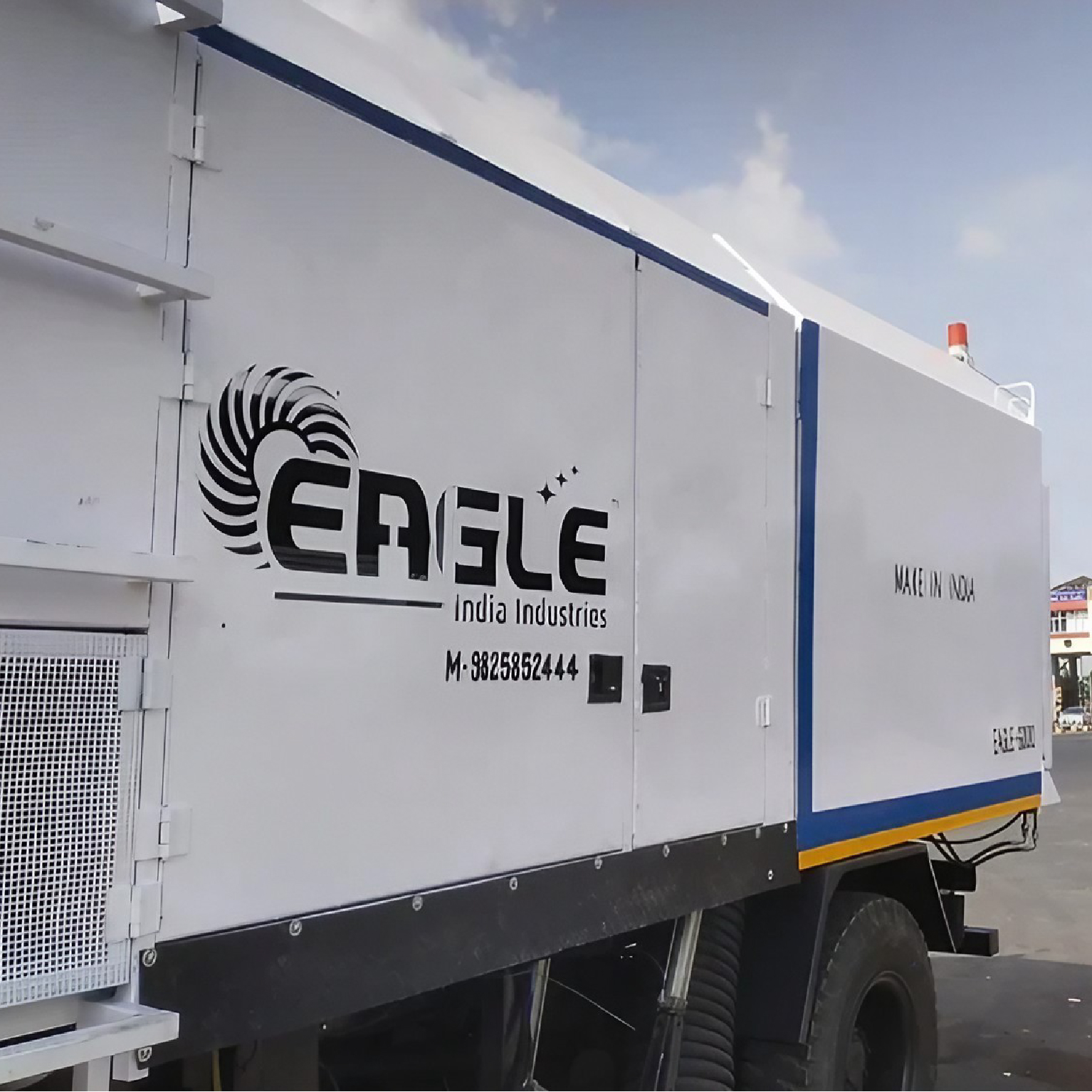
Mechanical Broom Sweeper Maintenance Tips
Maintaining a mechanical broom sweeper is paramount for its operational efficiency, lifespan, and overall performance. These robust machines, essential for keeping our environments clean, require consistent care to operate at their best. Neglecting routine mechanical broom sweeper maintenance can lead to decreased sweeping effectiveness, premature wear of components, and costly unexpected repairs. This guide provides comprehensive tips to ensure your sweeper, whether a compact unit or a large industrial model, remains in optimal condition, maximizing its value and utility.
Understanding Mechanical Broom Sweepers
Mechanical broom sweepers are designed to efficiently collect debris from various surfaces. They typically feature rotating brushes that sweep material into a collection hopper. Understanding the core components of your mechanical broom sweeper is the first step toward effective maintenance. Key elements include the main broom, side brooms (curb brooms), the debris hopper, dust suppression systems, and the power unit (engine or motor). Regular attention to each of these parts ensures the entire system functions harmoniously.
For businesses and municipalities relying on these machines, such as those using ride-on sweepers, a well-defined maintenance schedule is not just good practice; it's a business necessity. This proactive approach minimizes downtime and ensures that your sweeping operations can continue without interruption. Eagle India Industries specializes in robust road sweeping solutions, understanding the critical role of reliability in these machines.
Daily Mechanical Broom Sweeper Maintenance Checks
Consistent daily checks are the foundation of effective mechanical broom sweeper maintenance. Performing these simple inspections before and after each use can prevent minor issues from escalating into major problems.
- Visual Inspection: Walk around the sweeper and visually inspect all critical components. Look for any signs of damage, wear, or loose parts on the brushes, skirts, hopper, and chassis.
- Brush Wear and Debris: Check the main and side brushes for embedded debris, bristle wear, or damage. Ensure they are free from obstructions that could impede rotation.
- Hopper Status: Verify that the debris hopper is empty or has sufficient capacity for the next job. A full hopper can reduce suction and strain the system.
- Dust Filters: Inspect the dust filters. While deep cleaning is often weekly, a quick check for obvious blockages is a good daily habit.
- Rubber Skirts: Examine the rubber skirts for tears or excessive wear. These are crucial for containing dust and debris during operation.
These daily mechanical broom sweeper maintenance tasks are quick yet invaluable for identifying potential issues early.
In-Depth Maintenance Schedule for Sweeper Components
Beyond daily checks, a more thorough maintenance routine is necessary for the long-term health of your mechanical broom sweeper.
Brush Maintenance
Inspect bristles for wear – replace when worn by 30-40%. Rotate brushes to ensure even wear. Adjust curb broom strike patterns as per the manual to maintain optimal contact.
Filter Cleaning
Regularly clean or replace dust filters. In dusty environments, this might be needed more frequently than weekly to maintain powerful suction and air quality.
Hopper Management
Empty the hopper daily. Keep the hopper screen clean and free of debris to ensure proper airflow to the fan. This prevents rust and buildup.
Hydraulic System
Monitor hydraulic fluid levels and condition. Regularly change hydraulic filters and ensure the system operates at the correct pressure. Use the recommended oil viscosity.
Fluid Levels
Check engine oil, coolant, and hydraulic fluid levels routinely. Top up or replace as needed according to manufacturer specifications.
Fan and Air Seals
Inspect the fan and its inlet for obstructions. Check air seals around the sweeping head and replace them if worn to maintain optimal vacuum efficiency.
Sweeping Head
Regularly inspect the sweeping head for wear and tear. Ensure all components are aligned correctly and adjust as necessary for optimal sweeping performance.
Implementing these mechanical broom sweeper maintenance practices will significantly extend the life of your equipment.
The Undeniable Benefits of Proactive Maintenance
Investing time and resources into regular mechanical broom sweeper maintenance yields substantial rewards:
- Maximized Lifespan: Consistent care prevents undue stress on components, dramatically increasing the operational life of your sweeper.
- Optimal Performance: A well-maintained machine sweeps more effectively, ensuring cleaner results and greater efficiency.
- Reduced Repair Costs: Proactive checks catch small issues before they become expensive breakdowns, saving on costly emergency repairs and parts.
- Enhanced Safety: Ensuring all parts are in good working order contributes to safer operation for the machine's operator and those nearby.
- Improved Suction Power: Clean filters and intact air seals are vital for maintaining the powerful vacuum necessary for efficient debris collection.
Buyer Insight:
When considering a mechanical broom sweeper, inquire about the manufacturer's recommended maintenance schedule and the availability of service support. Understanding these aspects upfront can save significant time and money down the line.
Choosing the Right Sweeper and Ensuring Quality
Selecting the appropriate mechanical broom sweeper is a critical decision. Consider the types of surfaces you’ll be cleaning, the volume of debris, and the operating environment. For industrial applications or large-scale cleaning, a ride-on sweeper often provides the necessary power and capacity.
When evaluating a mechanical broom sweeper, pay close attention to the quality of construction, the durability of the brush materials, and the efficiency of the dust collection system. Look for machines that offer easy access to maintenance points, as this significantly simplifies routine upkeep. Eagle India Industries provides mechanical broom sweepers designed for reliability and performance, understanding the importance of a robust machine that stands up to rigorous use.
Key Features to Consider:
- Brush System: Assess the type and durability of the main and side brooms. Are they easily replaceable?
- Hopper Capacity and Access: Ensure the hopper size is adequate for your typical cleaning tasks and that it's easy to empty.
- Filtration System: A high-quality dust filter is essential for minimizing airborne dust and maintaining suction.
- Hydraulic and Powertrain: Investigate the reliability and ease of servicing for the hydraulic system and the engine/motor.
- Operator Comfort (for ride-on models): Ergonomics play a role in productivity and safety during extended use.
When to Consider Upgrading or Replacing
Even with diligent mechanical broom sweeper maintenance, components will eventually wear out. Several indicators suggest it might be time to consider replacing or upgrading your sweeper:
- Frequent Breakdowns: If your sweeper requires constant repairs, the cost of maintenance may exceed the investment in a new machine.
- Decreased Efficiency: If the sweeper is no longer cleaning effectively despite proper maintenance, its core components may be too worn.
- Obsolete Technology: Newer models often incorporate advancements in efficiency, dust control, and ease of operation.
- Changing Needs: If your operational requirements have changed (e.g., increased area to cover, different types of debris), a different model might be more suitable.
Consulting with a reputable manufacturer like Eagle India Industries can help you assess whether repair, refurbishment, or replacement is the most cost-effective solution for your specific situation.
Frequently Asked Questions (FAQ)
How often should I clean the dust filters on my mechanical broom sweeper?
The frequency of dust filter cleaning depends heavily on the operating environment. In very dusty conditions, daily checks and cleaning might be necessary. For less demanding environments, weekly cleaning is usually sufficient. Always refer to your sweeper's manual for specific recommendations.
What is the typical lifespan of mechanical broom sweeper brushes?
The lifespan of brushes varies significantly based on usage intensity, the type of debris being swept, and the surface material. Generally, bristles should be replaced when worn down by about 30-40%, or when sweeping performance noticeably declines. Regular cleaning and proper adjustment can help prolong brush life.
How important is maintaining the hydraulic system on a ride-on sweeper?
Maintaining the hydraulic system is critical for ride-on sweepers, as it powers many of the machine's functions, including brush rotation and hopper lift. Regular checks of fluid levels, filter changes, and ensuring correct pressure settings are vital for preventing costly damage and ensuring operational reliability.
Should I use a specific type of oil for my sweeper's hydraulic system?
Yes, it is crucial to use the type and viscosity of hydraulic oil recommended by the manufacturer in your sweeper's operation manual. Using the wrong type of oil can lead to system overheating, component wear, and eventual failure.
Ready to Ensure Peak Performance for Your Sweeper?
Proper mechanical broom sweeper maintenance is key to longevity and efficiency. If you're looking for reliable road sweeping solutions or need expert advice on maintaining your equipment, Eagle India Industries is here to help. Explore our range of mechanical broom sweepers and discover how we can support your cleaning operations.
Learn More About Eagle Roadsweeper Solutions