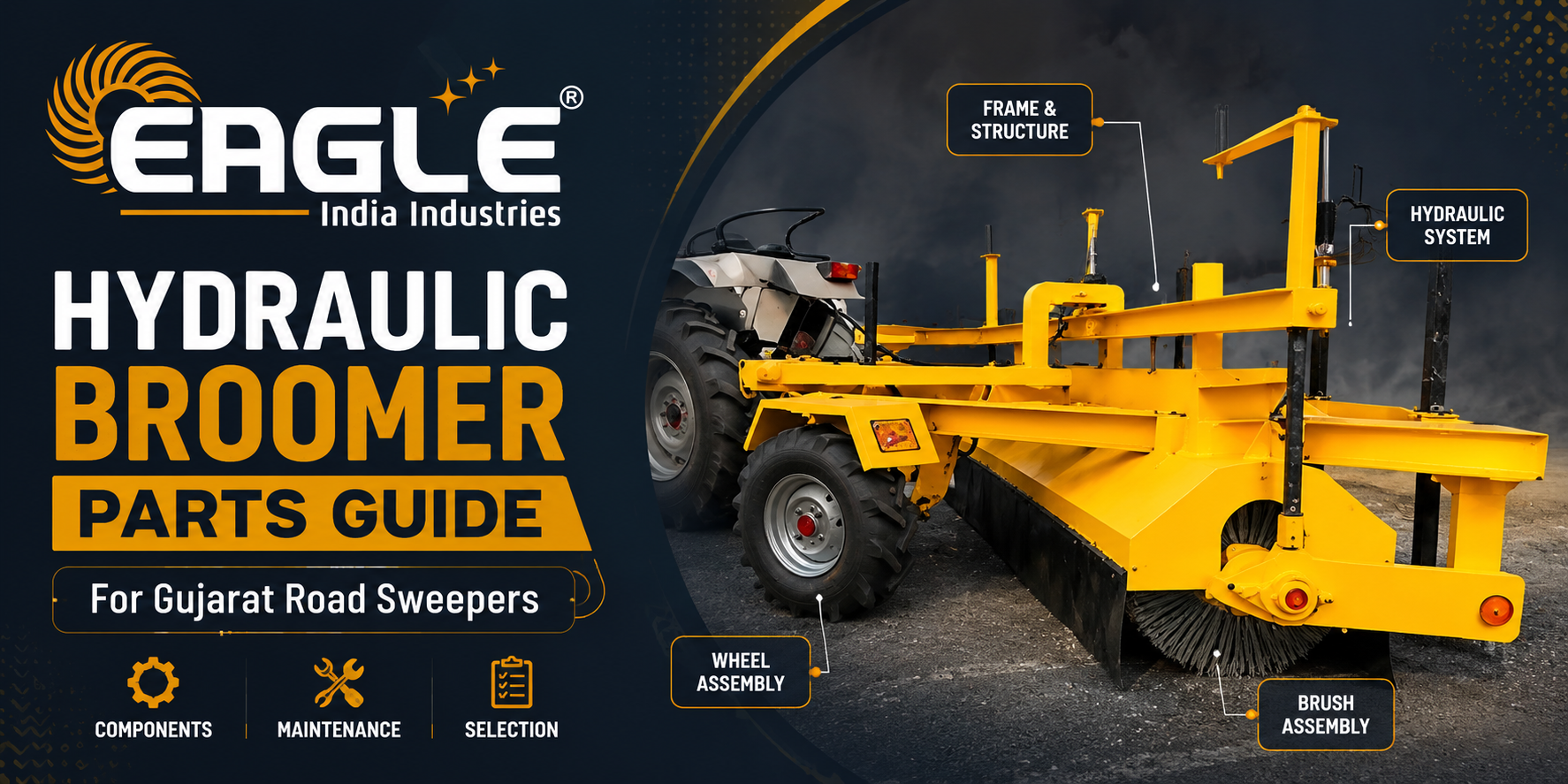
Hydraulic Broomer Parts Guide
Essential guide to hydraulic broomer parts for road sweepers in Gujarat. Learn about maintenance, selection, and ensuring operational efficiency.
Why This Matters in Gujarat
Gujarat's dynamic economy, characterized by rapid industrialization and significant infrastructure development, places a high demand on efficient road maintenance. From bustling industrial estates to expanding urban centers and vital transportation corridors, the need for clean and well-maintained roads is constant. Hydraulic broomer parts are the workhorses of municipal cleaning fleets and industrial site maintenance. Ensuring these components are robust and well-serviced directly impacts the operational capacity of these essential services across Gujarat, from Ahmedabad to Surat and beyond.
What is a Hydraulic Broomer — Overview
A hydraulic broomer is a crucial attachment for road sweeping vehicles, responsible for the primary sweeping action. It utilizes a system of hydraulic power to rotate large brushes that agitate and lift debris from road surfaces. The hydraulic system, comprising pumps, motors, cylinders, and hoses, provides the necessary force and control for the brushes to operate effectively under varying conditions. This system allows for adjustable brush speed and pressure, enabling efficient cleaning of everything from fine dust to larger debris on asphalt, concrete, and other surfaces.
Key Features and Technical Specifications
When selecting or maintaining hydraulic broomer parts, several key features and specifications are critical for optimal performance and durability:
- Brush Motor Type: Typically, high-torque, low-speed hydraulic motors are used to provide consistent rotational force to the broom.
- Cylinder Specifications: Hydraulic cylinders control the broom's lift, angle, and sometimes its oscillation, requiring specific bore size, stroke length, and pressure ratings.
- Hose and Fitting Quality: High-pressure hydraulic hoses and robust fittings are essential to prevent leaks and withstand the demanding operational environment.
- Seal Material: Durable seal kits, often made of nitrile or polyurethane, are vital for preventing hydraulic fluid leaks and maintaining system integrity.
- Filter Specifications: Hydraulic system filters ensure fluid cleanliness, protecting sensitive components like pumps and motors from contamination.
- Pump Compatibility: The hydraulic pump must be sized correctly to deliver the required flow rate and pressure for the broom motor and cylinders.
- Brush Diameter and Material: While not strictly hydraulic, the brush itself is driven by the hydraulic system, and its diameter and bristle material are key operational factors.
Industrial Applications and Use Cases
The robust nature of hydraulic broomer systems makes them indispensable across a wide range of industrial and municipal applications:
- Municipal Road Cleaning: Essential for maintaining cleanliness in city streets, highways, and public areas.
- Airport Runway Sweeping: Used for clearing debris, rubber deposits, and foreign object debris (FOD) from runways and taxiways.
- Construction Site Cleanup: Effectively removes dust, dirt, and construction debris from roads and work sites.
- Industrial Facility Maintenance: Cleans large paved areas around factories, warehouses, and distribution centers.
- Port and Harbor Operations: Sweeps docks, container yards, and access roads to remove dust and spillage.
- Mining and Quarry Operations: Cleans haul roads and processing areas where heavy dust and debris are prevalent.
- Highway Maintenance: Used for routine cleaning and post-construction debris removal on major roadways.
How to Choose the Right Hydraulic Broomer Parts
Selecting the correct hydraulic broomer parts ensures your equipment operates efficiently and reliably. Consider these factors:
- Original Equipment Manufacturer (OEM) Specifications: Always prioritize parts that meet or exceed the OEM's recommendations for your specific road sweeper model.
- Hydraulic System Pressure and Flow Ratings: Ensure replacement parts (motors, pumps, cylinders) are compatible with your sweeper's existing hydraulic system's pressure and flow capabilities.
- Material Durability and Quality: Opt for parts made from high-grade materials designed for heavy-duty industrial use and resistance to wear and tear.
- Supplier Reputation and Warranty: Choose reputable suppliers known for quality components and who offer a warranty on their parts.
- Ease of Installation and Availability: Consider how easily the part can be installed and whether replacements are readily available to minimize downtime.
- Compatibility with Broom Head Design: Ensure the hydraulic components are suited for the specific type and size of the broom head being used.
- After-Sales Support: Look for suppliers who can offer technical assistance or guidance if issues arise.
Quality Standards and Compliance
For hydraulic broomer parts, adherence to quality standards is non-negotiable, especially in demanding industrial environments. Buyers should look for components that comply with relevant industry standards, such as ISO certifications for manufacturing processes and quality management. While specific standards for individual hydraulic components might vary, ensuring that the manufacturer follows robust quality control protocols is crucial. This includes proper material sourcing, precision manufacturing, and rigorous testing of critical parts like hydraulic motors and cylinders. Verifying that seals and hoses meet pressure and temperature resistance requirements is also a key indicator of quality.
Why Eagle India Industries' Experience and Capability Matters
With over 12 years of dedicated experience in manufacturing road sweeping equipment, Eagle India Industries understands the intricate demands placed on hydraulic broomer systems. Our expertise lies in designing and producing robust components that withstand the harsh conditions typical of industrial and municipal applications across Gujarat. We focus on precision engineering, utilizing high-quality materials and adhering to strict manufacturing protocols to ensure the reliability of every part. Our team's in-depth knowledge allows us to offer solutions tailored to specific operational needs, backed by a commitment to quality control and consistent performance. This experience translates into durable, efficient, and dependable hydraulic broomer parts that support the critical functions of road maintenance and industrial cleaning.
Installation, Maintenance, and Care Tips
Proper installation and regular maintenance are key to maximizing the lifespan and performance of your hydraulic broomer parts.
- Installation: Always follow the manufacturer's guidelines for installation. Ensure hydraulic lines are correctly routed to prevent kinks or abrasion. Use the specified torque settings for fittings and mounting bolts.
- Fluid Checks: Regularly check the hydraulic fluid level and condition. Contaminated or low fluid can severely damage pumps, motors, and cylinders.
- Filter Replacement: Adhere to the recommended schedule for replacing hydraulic filters. Clogged filters restrict flow and can lead to component failure.
- Hose Inspection: Periodically inspect hydraulic hoses for signs of wear, cracking, or leaks. Replace any damaged hoses immediately to prevent catastrophic failure.
- Seal Maintenance: While seals are often replaced as part of a kit, regular visual checks for leaks around cylinder rods and motor shafts can indicate seal wear.
- Lubrication: Ensure any specified lubrication points on the broom head assembly are regularly serviced.
- System Bleeding: After maintenance or component replacement, properly bleed the hydraulic system to remove air, which can cause erratic operation and damage.
Frequently Asked Questions
The primary function of hydraulic broomer parts is to provide the power and control necessary for the rotating brushes of a road sweeper to effectively collect debris from road surfaces. This includes components like hydraulic motors for brush rotation, cylinders for lifting and angling the broom, and the associated pumps, hoses, and valves that manage the hydraulic fluid flow.
The replacement frequency for hydraulic filters depends on the operating environment and the manufacturer's recommendations. However, a general guideline is to replace them every 250 to 500 operating hours, or whenever the hydraulic fluid is changed. Frequent inspection for contamination is also advised.
Signs of a failing hydraulic motor include reduced brush speed or torque, unusual noises such as grinding or whining, external leaks around the motor shaft or housing, and overheating of the hydraulic fluid. Inconsistent brush rotation is also a strong indicator.
While generic parts might seem like a cost-saving option, it is generally advisable to use OEM-specified parts or high-quality aftermarket equivalents that meet the exact pressure, flow, and dimensional requirements. Using incompatible parts can lead to premature failure and damage to other system components.
The quality of hydraulic fluid is paramount as it acts as a lubricant, coolant, and power transmission medium. Using the correct type and grade of fluid, free from contamination, prevents wear on pumps, motors, and cylinders, ensures efficient operation, and helps dissipate heat, preventing system damage.
Ambient temperature significantly impacts hydraulic fluid viscosity. In very cold temperatures, fluid can become thicker, leading to slower operation and increased strain on components. In extreme heat, fluid can thin out, reducing lubrication and potentially causing overheating and seal degradation.
Conclusion
Maintaining the operational readiness of road sweepers in Gujarat, particularly their hydraulic broomer systems, is a continuous process that demands attention to detail. Understanding the critical components, their specifications, and the importance of quality and proper maintenance practices is essential for any operator or fleet manager. By prioritizing reliable parts, adhering to recommended service schedules, and partnering with experienced suppliers like Eagle India Industries, you can ensure your equipment performs optimally, contributing to cleaner roads and more efficient operations across the state.
Get In Touch
Eagle Roadsweeper / Eagle India Industries